

Article by – Pooja Menon
In a world where knowledge is just a click away and classrooms have become battlegrounds for grades and ranks, one vital element seems to have gotten misplaced: the art of teaching. Once upon a time, teachers were more than curriculum deliverers. Fast forward to today, the role of an educator has transformed into something more transactional, governed by lesson plans, results and paychecks. But what if teaching was never meant to be just a job? Teaching has always been regarded as the foundation of human development, fostering a sacred relationship between teacher and student.
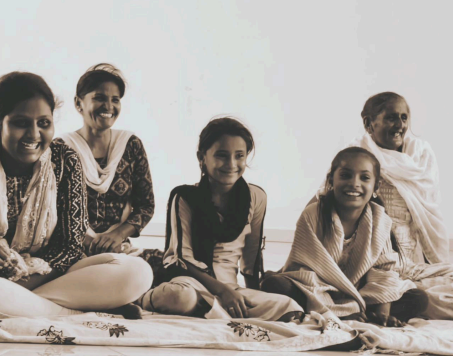
Historically, educators were often seen as “gurus” — revered figures entrusted not only with imparti knowledge but with shaping character and values. For these gurus, teaching was an act of love and selflessness. They saw themselves as philosophers, guides a protectors of moral values; roles that have been gradually overshadowed in the modern education system. Chanakya, for an instance, mentored Chandragupta Maurya, helping him shape into a fine leader who founded one of India’s greatest empire Similarly, Swami Vivekananda emphasized that education should go beyond rote learning and believed that education was about realizing one’s inner potential and fostering responsibility and compassion. However, today, teaching is increasingly seen as a profession, constrained by deadlines and outcomes. This shift has led to a gradual erosion of the deeper values that once defined the art of teaching, leaving lasting impact on students, educators and the society. A significant issue in modern education is that sever teachers/educators focus more on the act of teaching itself, than the process of learning.
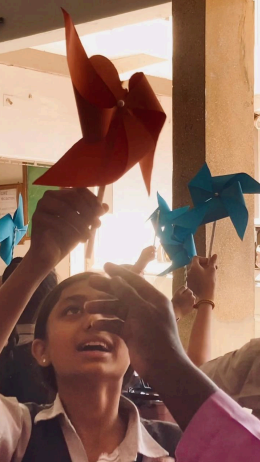
As Kenyan educationist Odundo suggests,“The best teachers do not simply provide information—they guide students to think critically, radically and develop their own ideas.” Good teaching, in its truest sense, is about inspiring someone to think, question and explore; not by providing easy answers but by challenging them to question their own perceptions and assumptions to find an answer. These are the kind of educators who create a profound impact inspiring students to embrace lifelong learning, instead of being passive recipients of information. One of the most profound losses in modern teaching is the decline of creativity and empathy in the classroom. Today, the pressure to meet standardized benchmarks and rigid curriculum has led to the stifling of creativity and many students vi their teachers as distant figures, who are more concerned with gradi assignments and enforcing rules than supporting their personal growth. This emotional disconnect has created a significant gap in the teacher-stude relationship. Research consistently shows that students thrive in environments where they feel supported, seen and heard. The absence of empathy, once a hallmark of great teaching, only widens this gap.
This erodes the mutual respect that was once a cornerstone of the classroom experience.The rise of subtle classroom violence like harsh words, indifference to student struggles, or the lack of understanding of individual needs further alienates students. Empathy, too, has been sidelined in favor of efficiency. In a syst focused on results, the emotional well-being of students is often overlooked. A lack of emotional connection and creative freedom in the classroom not only impacts academic performance but also affects students’ mental health and social development.
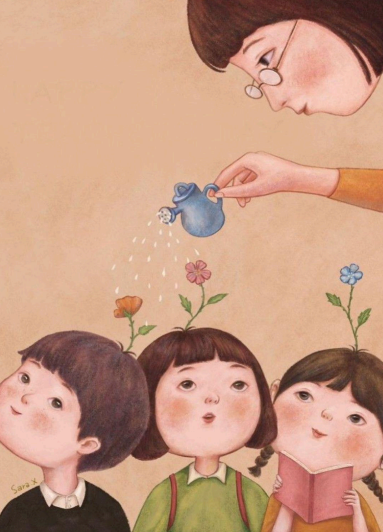
In a system like this, the students may memorize facts for exams, but they will fail to develop critical thinking skills or a deeper understanding of the subjects they study. This focus on results, rather than the process of learning, leaves students unprepared for the challenges of the real world. As we reflect on the current state of education, it has become clear that the art teaching, once revered and respected, must be revived. Teachers need to be recognized as more than just employees fulfilling a job—they should be seen mentors, guides and nurturers once again. The future of education depends on our ability to restore the sanctity of the teacher-student relationship. Only by embracing the art of teaching in its true form where learning is prioritized over teaching, creativity is valued over conformity and empathy over efficiency, can we ensure th our children grow not just into successful professionals, but also compassionate and conscious human beings
