

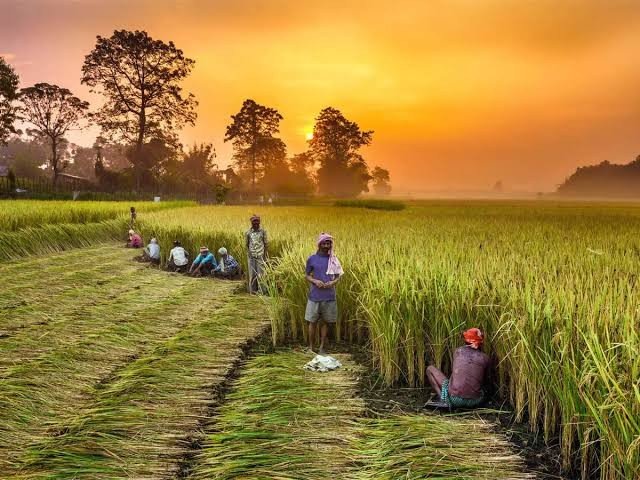
Natural farming is increasingly being recognized as a solution to some of the most pressing issues in Indian agriculture. Rooted in traditional practices and strengthened by modern ecological understanding, this method eliminates the use of synthetic chemicals, instead integrating crops, trees, and livestock into a biodiverse ecosystem. As India grapples with climate change, soil degradation, and the mounting debt crisis among farmers, natural farming emerges as a promising alternative to conventional agriculture.
Principles of Natural Farming
Natural farming, based on the principles of agroecology, promotes harmony with nature. Unlike conventional farming that depends heavily on chemical fertilizers and pesticides, natural farming uses organic, locally available materials. Key practices include:
- Crop Rotation: Rotating crops helps prevent pest infestations, improve soil nutrients, and boost productivity—a critical practice in India’s diverse agricultural landscape.
- Cover Cropping: Planting cover crops reduces soil erosion, enhances moisture retention, and improves fertility. This is especially vital for regions dependent on erratic monsoon rains.
- Mulching: Covering soil with organic material helps retain moisture, regulate temperature, and suppress weeds, making it ideal for India’s hot climate.
- Livestock Integration: Animals provide natural fertilizers and aid in maintaining ecological balance. This aligns with India’s long tradition of mixed farming systems.
By employing these methods, natural farming creates self-sustaining ecosystems, reducing the reliance on costly external inputs.
The Transformational Benefits of Natural Farming
1. Revitalizing Soil Health
India’s soils have suffered from years of chemical overuse. Natural farming replenishes soil health by encouraging the growth of microorganisms, increasing soil organic matter, and improving its overall structure. These improvements ensure long-term fertility and better water retention, which is vital for regions facing frequent droughts.
2. Safer, Healthier Food
Natural farming produces food free from harmful chemical residues. This is particularly important for Indian households where food safety concerns are on the rise. Studies show that organically grown crops have higher nutrient content, offering better health benefits to consumers.
3. Economic Relief for Farmers
For farmers, reducing dependence on expensive chemical fertilizers and pesticides is a game changer. In India, where farmer debt is a serious issue, natural farming offers a way out.
Rajesh Kumar, a farmer from Maharashtra, shared how switching to natural farming helped him reduce his input costs by 40%. “Earlier, I spent thousands on chemicals,” he recalls. “Now, I use compost and cow dung, and my crops are healthier. My income has increased because people pay more for chemical-free produce.”
4. Climate Resilience
Natural farming supports carbon sequestration, reduces greenhouse gas emissions, and enhances biodiversity. In regions like Rajasthan, where desertification threatens livelihoods, farmers practicing natural farming have seen their lands stay fertile and productive despite extreme weather conditions.
Shanti Devi, a farmer in Uttar Pradesh, says, “Since I adopted natural methods, my fields have become more resilient to sudden floods and droughts. The soil retains water better, and my plants survive harsh weather.”
5. Strengthening Rural Communities
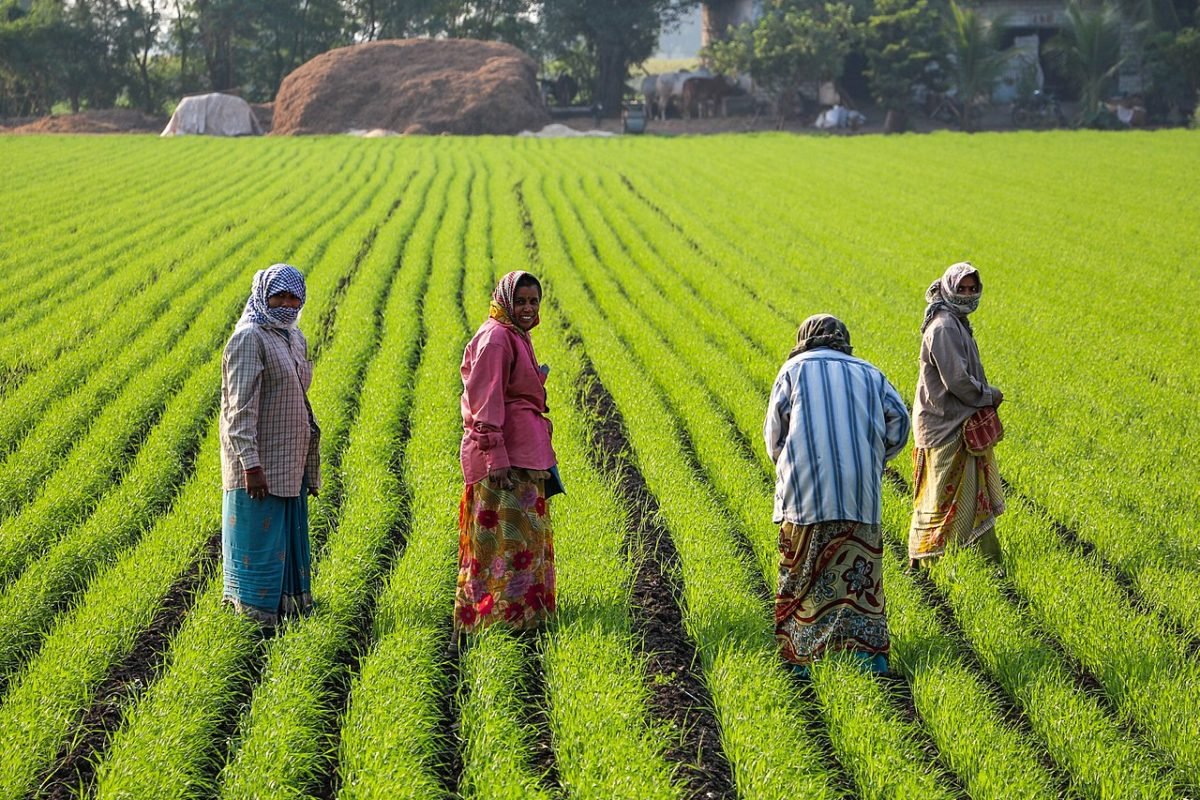
Natural farming encourages local resource sharing and knowledge exchange. Farmers form cooperatives to share seeds, techniques, and surplus produce, fostering stronger community ties.
In Andhra Pradesh, women-led self-help groups have spearheaded the adoption of natural farming. “We don’t just farm,” says Meena, a group leader. “We empower each other to succeed.”
Natural Farming vs. Conventional Farming
The contrast between natural and conventional farming is stark, especially in their impact on soil health. Conventional farming relies on chemical inputs and intensive tillage, which often degrade soil quality over time. By contrast, natural farming enriches soil health, enhances microbial diversity, and improves water retention capacity—all essential for sustainable agriculture.
Studies have shown that organically managed soils contain significantly higher levels of soil organic matter, microbial biomass, and moisture retention compared to conventionally farmed soils. For example, in regions of Karnataka, farmers practicing natural farming reported 30% higher water retention in their fields, leading to better yields even during dry spells.
Rising Importance in India
The growing consumer demand for organic, chemical-free food provides a lucrative opportunity for Indian farmers. Urban markets are increasingly offering premium prices for produce labeled as natural or organic. This shift aligns with India’s rising awareness of health and environmental sustainability.
Government programs like the Bharatiya Prakritik Krishi Paddhati (BPKP) and Zero Budget Natural Farming (ZBNF) have further encouraged farmers to transition to natural methods. These initiatives provide training, financial support, and market access to help farmers adopt sustainable practices.
Geeta Patel, a farmer in Gujarat, credits government workshops with her success. “The training taught me how to make bio-pesticides using neem and cow urine. I’ve reduced my expenses and learned skills that I now teach other farmers,” she says.
Challenges in Adoption
While the benefits are clear, transitioning to natural farming comes with challenges. Farmers often face initial drops in yields during the conversion period. Lack of awareness, access to training, and market connectivity further hinder widespread adoption.
“We need better infrastructure to sell our produce,” says Ramesh, a farmer in Tamil Nadu. “Without proper certification and marketing, it’s hard to convince buyers that our crops are chemical-free.”
Addressing these challenges requires coordinated efforts from governments, NGOs, and private players to create a supportive ecosystem.
Conclusion
Natural farming represents a paradigm shift in Indian agriculture. By promoting soil health, reducing costs, and fostering rural resilience, it offers a sustainable way forward for millions of farmers. For Rajesh, Shanti, Geeta, and countless others, the journey to natural farming has not only transformed their livelihoods but also brought renewed hope.
As India moves towards a more sustainable future, natural farming can play a pivotal role. With continued investment in policies, education, and infrastructure, it has the potential to transform the agricultural landscape, ensuring a greener, healthier, and more prosperous India for generations to come.
