

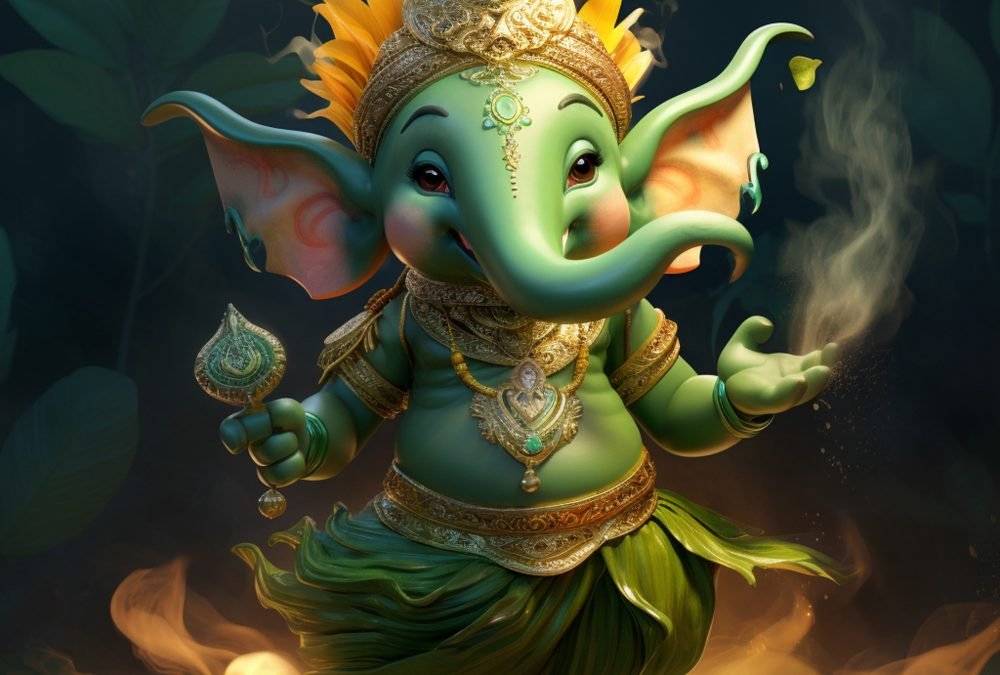

Ganesh Chaturthi, one of India’s most vibrant and widely celebrated festivals, marks the birth of Lord Ganesha, the beloved elephant-headed god of wisdom, prosperity, and new beginnings. The festival is observed in the Hindu month of Bhadrapada, starting on the fourth day (Chaturthi) of the waxing moon phase, typically falling in August or September.
Mythological Significance
According to Hindu mythology, Lord Ganesha is the son of Goddess Parvati and Lord Shiva. There are two prominent stories surrounding his birth:
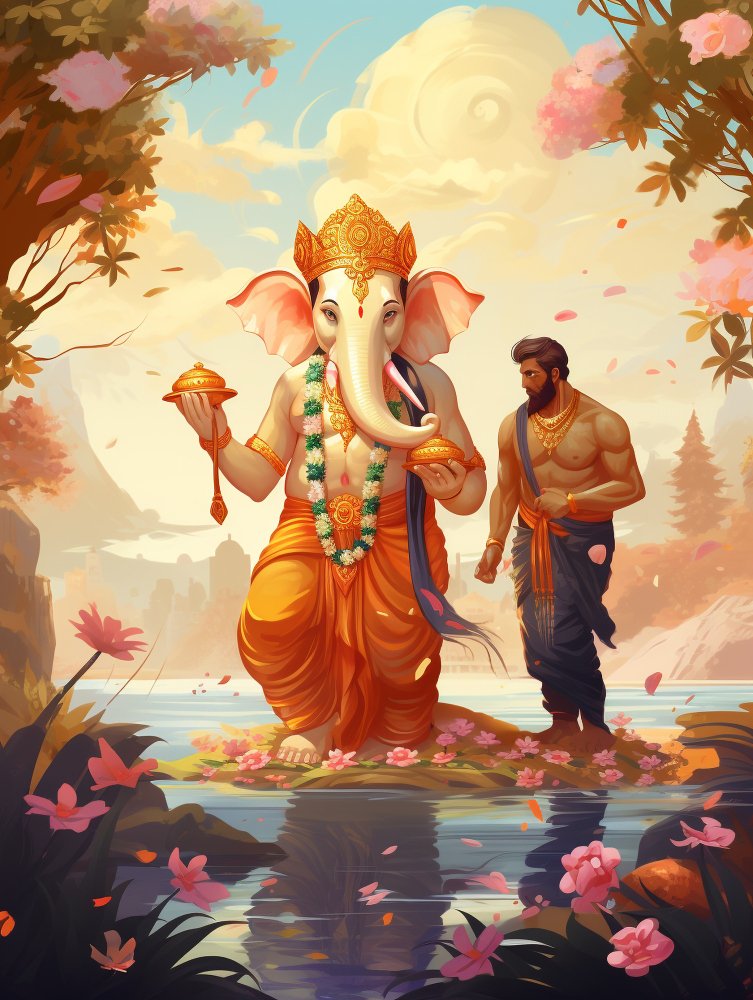
1. The Creation of Ganesha: It is believed that Goddess Parvati created Ganesha from the sandalwood paste she used for her bath. She gave him life and assigned him to guard her while she bathed. When Lord Shiva returned home and attempted to enter, Ganesha, not knowing who Shiva was, stopped him. Enraged, Shiva beheaded Ganesha in a fierce battle. Upon realizing that Ganesha was Parvati’s son, Shiva revived him by replacing his head with that of an elephant. Since then, Ganesha has been revered as the god who removes obstacles and brings good fortune.
2. The Curse and the Blessing: Another popular tale explains how Ganesha received his unique elephant head. Sage Parashurama, a devotee of Lord Shiva, once visited Mount Kailash. Ganesha, who was guarding the entrance, refused to let him in as his father was meditating. In anger, Parashurama attacked Ganesha, severing his head. To pacify Parvati, Lord Shiva placed the head of an elephant on Ganesha’s body and blessed him with the power to be the first deity worshipped in any ceremony.
Importance of Ganesh Chaturthi
1. Cultural Unity: Ganesh Chaturthi brings communities together, transcending the boundaries of caste, creed, and religion. The festival was popularized as a public celebration by freedom fighter Lokmanya Tilak in the late 19th century, who used it as a medium to unite people against British rule.
2. Symbol of New Beginnings: Lord Ganesha is worshipped before any major event or ceremony, as he is considered the remover of obstacles. The festival is particularly important for those starting new ventures, seeking blessings for success and prosperity.
3. Environmental Awareness: While traditionally, large clay idols of Ganesha are immersed in water bodies on the last day of the festival (Anant Chaturdashi), recent years have seen a rise in eco-friendly practices. Many now use biodegradable idols and promote environmental awareness, reducing water pollution caused by the immersion.
4. Economic Impact: Ganesh Chaturthi provides a significant boost to local economies, particularly in states like Maharashtra, Goa, and Karnataka. Artisans who craft idols, as well as sellers of decorations, sweets, and flowers, rely on this festival for a major part of their annual income.
Rituals and Celebrations
•Pranapratishtha: The festival begins with the installation of Ganesha idols in homes and public pandals (temporary structures) amid chants of Vedic hymns. The “pranapratishtha” ritual invokes life into the idol.
•Offerings: Devotees offer sweets like modaks (believed to be Ganesha’s favorite), coconuts, jaggery, and flowers. Daily aartis (prayer rituals) and bhajans (devotional songs) are performed, and families gather to worship the Lord.
•Visarjan (Immersion): On the 11th day (or earlier), the idol is taken in a grand procession with chants of “Ganpati Bappa Morya” for immersion in water, symbolizing Ganesha’s return to Mount Kailash, marking the end of his earthly visit.
Ganesh Chaturthi in India Today
The festival is most widely celebrated in Maharashtra, where cities like Mumbai witness massive pandals with elaborately decorated idols. Goa, Karnataka, Andhra Pradesh, and Tamil Nadu also celebrate the festival with great fervor. In recent years, the festival has spread globally, especially among Indian diaspora communities, who celebrate it with equal zeal.
Spiritual Lessons from Ganesha
•Wisdom and Knowledge: Lord Ganesha represents intelligence, foresight, and wisdom, essential qualities for success in life.
•Humility: Despite his immense power, Ganesha’s elephant head is a reminder of the virtue of humility.
•Adaptability: Ganesha’s broken tusk symbolizes the idea of sacrifice and adaptability in achieving goals.
Conclusion
Ganesh Chaturthi is not just a religious festival but a celebration of community, culture, and devotion. It serves as a reminder of the importance of humility, wisdom, and unity in our lives, as we seek Lord Ganesha’s blessings for peace and prosperity.
Ganpati Bappa Morya!
