


5.0 Score
Article by – Mr. Vision Raval
(Time & Motion study expert)
Creating an effective retail display is crucial for driving sales and enhancing the customer experience. Whether you’re setting up a seasonal promotion or showcasing new products, the way you place your displays can significantly impact their success. Here’s a comprehensive guide on how to optimize your retail displays for the best output.

1. Understand Your Store Layout
•Traffic Flow: Analyze the flow of customer traffic in your store. Identify high-traffic areas, such as entrances, main aisles, and checkout zones, where displays are most likely to be noticed. Position your most important displays in these areas to maximize visibility.
•Zoning: Divide your store into zones based on product categories and customer behavior. For instance, place impulse-buy items near the checkout area, and create thematic zones for related products to encourage cross-selling.
2. Prioritize Product Placement
•Eye-Level Positioning: Products placed at eye level are more likely to catch a shopper’s attention. Ensure that your key products are displayed within this range. For children’s products, consider their eye level when placing items.
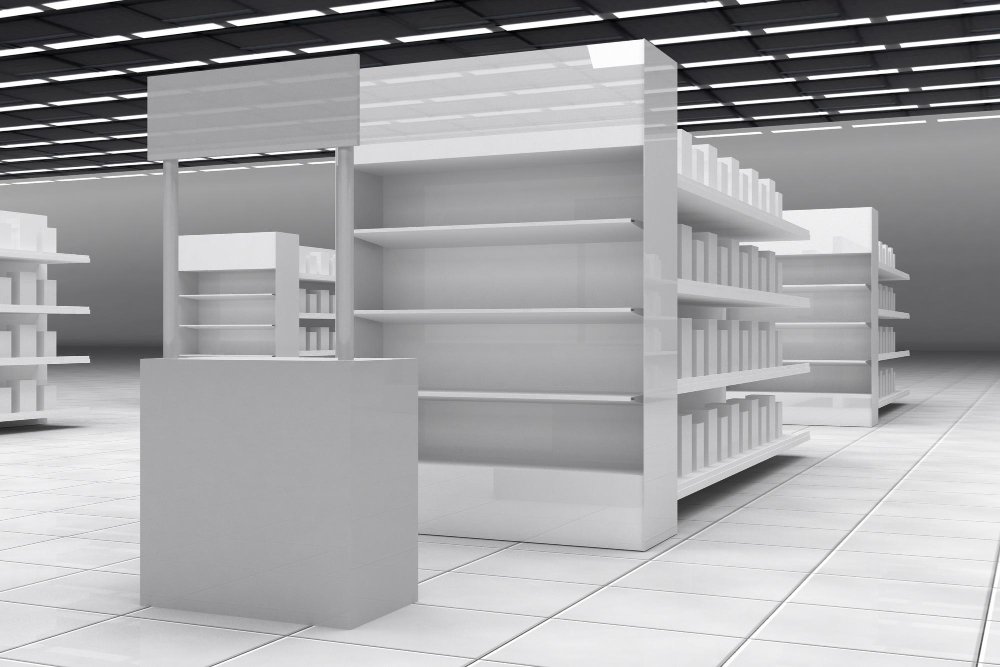
•Best-Selling and New Products: Highlight your best-selling or newly launched products in prime locations. Use end caps or central displays to give these items additional prominence.
3. Create Visually Appealing Displays
•Use Color Strategically: Colors can influence customer emotions and behavior. Use bold, contrasting colors to make your displays stand out, or choose colors that align with your brand and the season. For example, warm colors like red and orange can create a sense of urgency, while cool colors like blue and green can be calming.
•Balance and Symmetry: A well-balanced display is more visually appealing. Use symmetry to create a sense of order, and ensure that your display is neither too crowded nor too sparse. Balance can also be achieved by placing heavier items at the bottom and lighter ones at the top.
4. Incorporate Signage and Branding
•Clear Messaging: Signage should be clear, concise, and easy to read from a distance. Use signs to communicate promotions, product features, and prices. Ensure that your branding is consistent across all displays to reinforce brand identity.
•Call to Action: Include a strong call to action (CTA) in your signage, such as “Buy Now,” “Limited Time Offer,” or “Discover Our New Collection.” This encourages immediate engagement from customers.
5. Leverage Lighting
•Highlight Key Products: Use lighting to draw attention to specific products or areas of your display. Spotlights, LED strips, and backlighting can all be used to make your displays more attractive and engaging.
•Ambient Lighting: Ensure the overall lighting in your store complements your displays. Avoid harsh lighting that can cause glare, and use warmer lighting to create a welcoming atmosphere.
6. Keep Seasonal and Thematic Displays Fresh
•Seasonal Relevance: Update your displays to reflect the current season, holidays, or special events. Seasonal displays not only attract attention but also create a sense of urgency that can drive sales.
•Thematic Consistency: Ensure that all elements of your display, from products to signage to decorations, align with the chosen theme. A consistent theme makes your display more cohesive and memorable.

7. Test and Optimize
•A/B Testing: Experiment with different display arrangements to see which one performs best. Change elements such as product placement, signage, and lighting, and track customer engagement and sales data to identify what works.
•Customer Feedback: Gather feedback from customers on what they like or dislike about your displays. Use this information to make improvements and tailor your displays to better meet customer preferences.
8. Ensure Accessibility
•Easy Reach: Ensure that products are easy for customers to reach and pick up. Avoid placing items too high or too low, and consider the needs of all customers, including those with disabilities.
•Clear Pathways: Make sure that your displays don’t obstruct pathways or create bottlenecks. Customers should be able to move freely around your store and access products without difficulty.
9. Maintain and Refresh Displays Regularly
•Regular Updates: Keep your displays fresh by updating them regularly. Rotate products, change decorations, and adjust signage to maintain customer interest.
•Clean and Organized: Ensure that your displays are always clean, organized, and well-stocked. A tidy display is more inviting and reflects positively on your store’s overall image.
10. Utilize Digital Displays
•Interactive Elements: Consider incorporating digital displays that offer interactive elements, such as touchscreens or video content. These can provide additional product information, demonstrate features, or highlight customer testimonials.
•Dynamic Content: Use digital displays to show dynamic content like rotating promotions, social media feeds, or seasonal messages. This keeps the display engaging and up-to-date.
Conclusion
An effective retail display is a powerful tool that can significantly enhance customer experience and drive sales. By strategically placing your displays, paying attention to visual appeal, and continuously optimizing based on feedback and data, you can ensure that your displays deliver the best possible output. Remember, a well-executed display not only showcases your products but also tells a story, creates an emotional connection with customers, and ultimately encourages them to make a purchase.
