Article by Diksha Lakhpati
Instagram Reels, with their captivating 30-second snippets, serve as an addictive blend of humor, inspiration, and emotional rollercoaster moments, keeping users hooked with an endless variety of content tailored by a highly intuitive algorithm. The platform offers quick bursts of dopamine but often leaves users emotionally fatigued and drained, creating a time vortex where hours disappear unknowingly. While Reels provide escapism, relatability, and community, they also contribute to unrealistic expectations and over-stimulation. Solutions to combat this include setting screen time limits, creating digital schedules, disabling notifications, auditing followed content, utilizing tools like Instagram’s “Take a Break” feature, replacing scrolling with productive habits, practicing mindfulness, and establishing physical boundaries like device-free zones. By incorporating these strategies, users can regain control over their screen time while enjoying Reels in moderation.
The Absurdly Addictive World of Instagram Reels: A Deep Dive into the Infinite Scroll
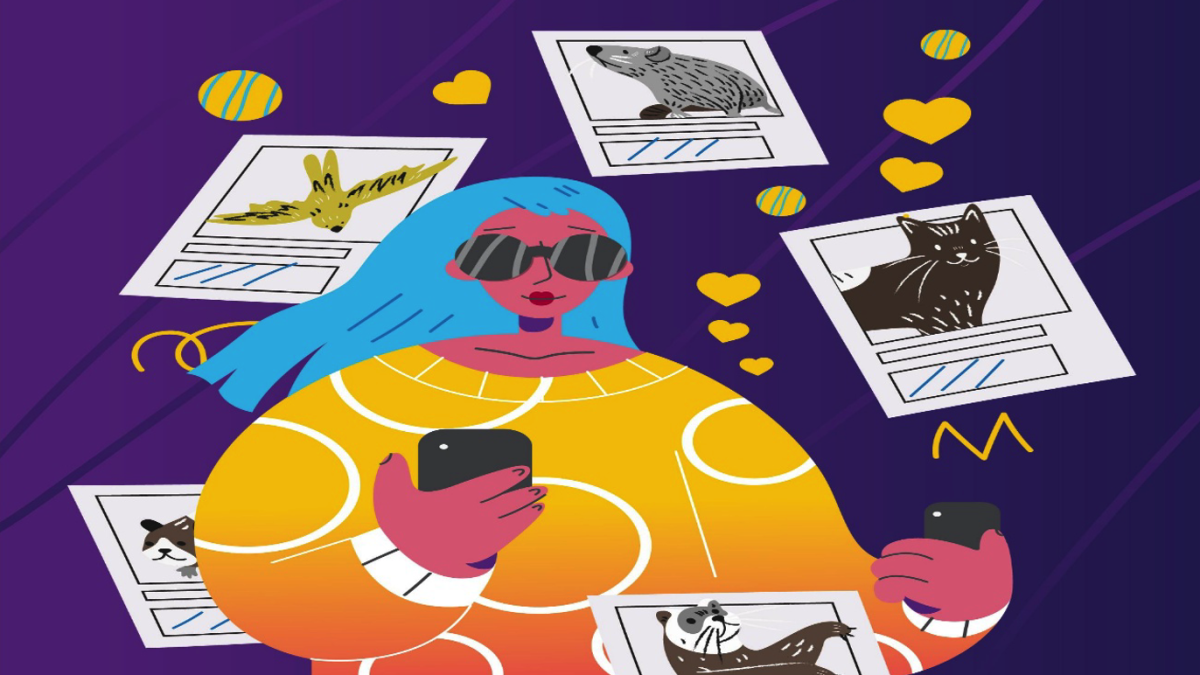
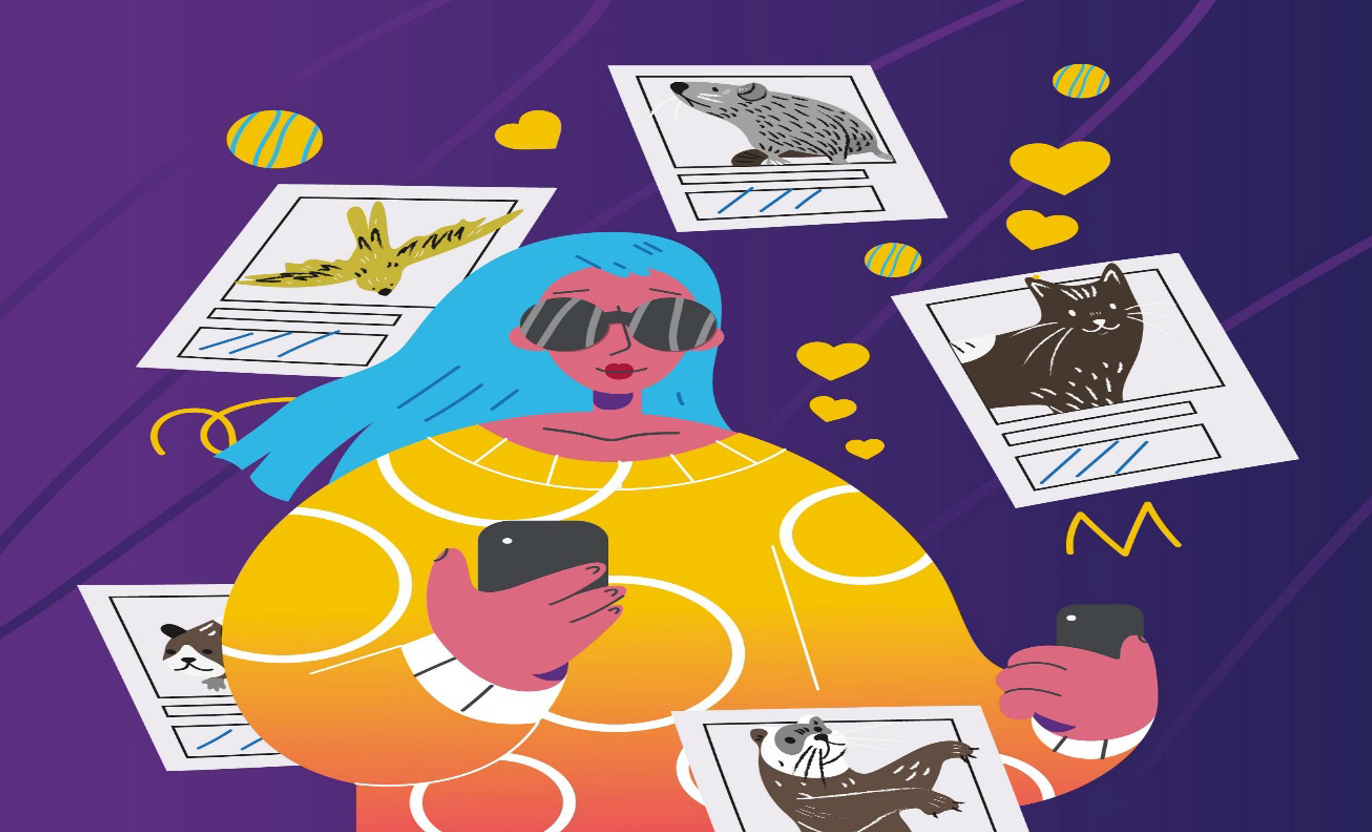
Ah, Instagram Reels – the bottomless pit of 30-second videos that start off as “just a quick scroll” and end with you questioning your life choices at 2 a.m. What is it about these bite-sized dopamine hits that turn us into slack-jawed zombies, endlessly swiping our thumbs like we’re digging for gold? Let’s dissect this phenomenon with the seriousness it absolutely does not deserve.
The Hook: Enter the Reel Rabbit Hole
It all starts innocently enough. You see a Reel of a cat falling off a table and think, “Haha, classic! Just one more.” But before you know it, you’re neck-deep in a montage of oddly satisfying soap cutting, people dancing on loop to viral songs, and that one guy who insists on doing backflips off buildings for likes. You can almost hear Instagram whispering, “Gotcha, sucker.”
The Algorithm: Your Personalized Puppet Master
Instagram’s algorithm knows you better than your mom does. You liked one video of a dog skateboarding? Congratulations, your feed is now a dedicated shrine to canine Tony Hawks. It’s like Instagram took a peek into your brain and said, “Ah, so this is what you’re into. Allow me to ruin your productivity forever.”
And don’t even try to outsmart it. Think you can trick the algorithm by scrolling past the videos? Nope. It knows. It always knows.
The Emotional Rollercoaster
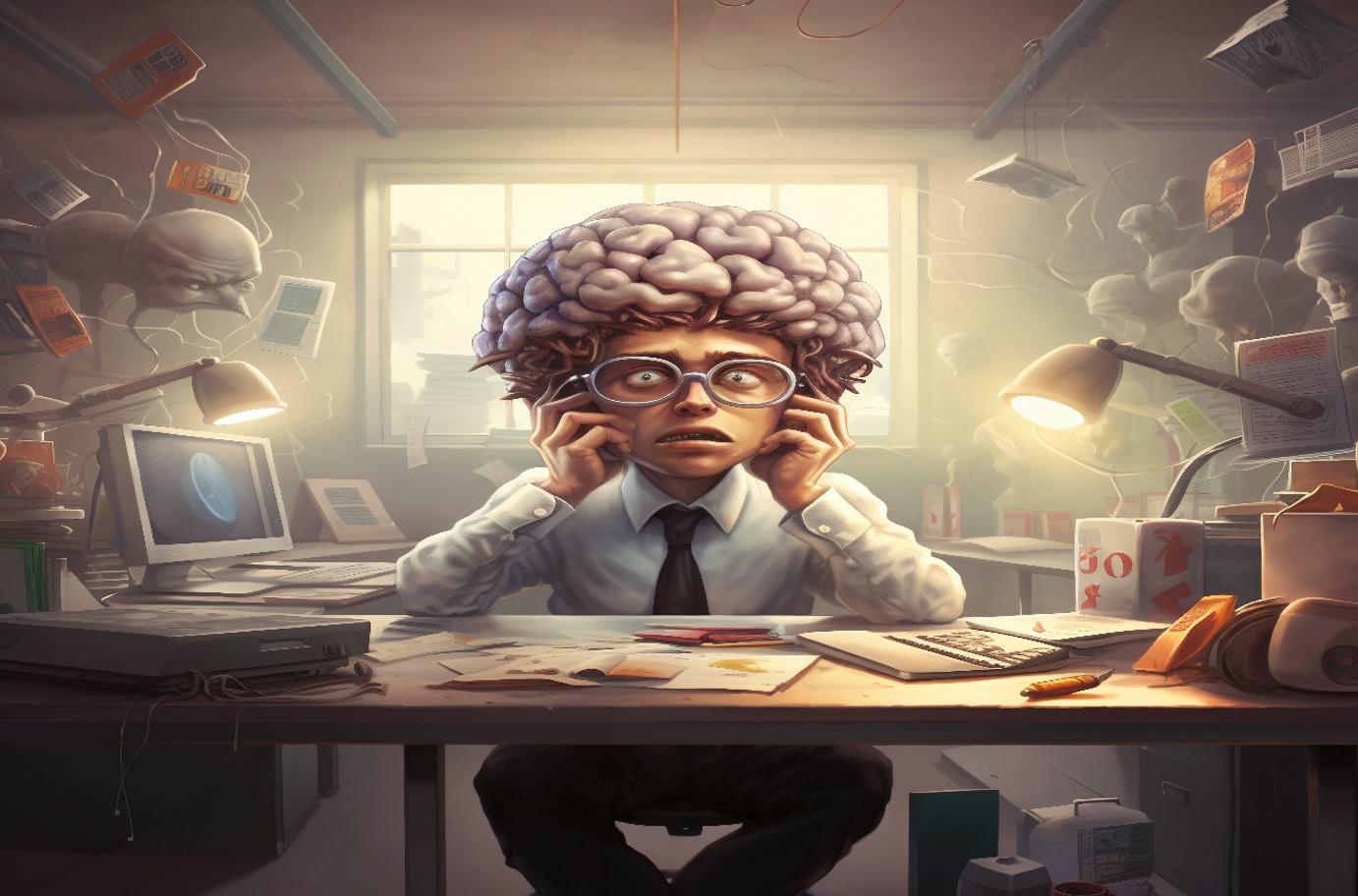
Reels are like a buffet of emotions served in rapid succession. One moment, you’re laughing at a baby who can’t figure out how to eat spaghetti; the next, you’re inspired by a motivational speaker telling you to quit your job and “chase your dreams, bro.” Suddenly, you’re crying at a heartwarming reunion between a dog and its soldier owner. It’s emotional whiplash, and we’re all willingly buckling in.
- A Spectrum of Emotions in Seconds
Reels are designed to evoke a range of emotions in a short span. Each swipe is a gamble – you never know whether the next video will make you laugh, cry, or leave you pondering life’s big questions. This unpredictability keeps your brain engaged, constantly craving the next hit of emotional stimulation.
- Humor and Joy:
You start with a lighthearted video of a baby hilariously struggling to eat spaghetti, sparking laughter and joy. These moments feel innocent and genuine, offering a break from life’s seriousness.- Why It Works: Laughter releases endorphins, making you feel happier and encouraging you to keep scrolling for more.
- Inspiration and Motivation:
Suddenly, you’re watching a motivational speaker passionately urging you to “quit your job, follow your passion, and take risks!” Even if you don’t act on it, the surge of inspiration makes you think about your own life choices.- Why It Works: Videos like these tap into universal desires for growth and fulfillment, providing a dopamine rush akin to imagining a better version of yourself.
- Heartwarming and Sentimental:
Just when you’re riding the high of inspiration, a heartwarming Reel appears. Perhaps it’s a soldier returning home to their loyal dog, and you’re overwhelmed by a wave of gratitude and love.- Why It Works: These videos connect deeply with our emotions, reminding us of what truly matters in life. They create an emotional bond, making us feel vulnerable yet comforted.

- The Science Behind Emotional Whiplash
Reels serve as a form of emotional rollercoaster because of how quickly the brain shifts gears between different types of content. This phenomenon is underpinned by the following factors:
- Attention Reset:
Each new video resets your emotional state, jolting your brain into a new context. This rapid emotional shift is both stimulating and exhausting, but it keeps you glued to the screen.- Example: A comedy skit makes you laugh, then a cooking Reel makes you hungry, followed by a touching story that leaves you teary-eyed.
- Dopamine Addiction:
The variety and intensity of emotions trigger dopamine, the “feel-good” chemical. Over time, your brain starts associating scrolling with quick emotional rewards, making it hard to stop.
- The Highs and Lows: Why It’s Addictive
This constant barrage of emotions creates an addictive cycle:
- Highs: The joy, humor, and inspiration give you quick bursts of positivity, making you feel energized or uplifted.
- Lows: Sentimental or heartbreaking videos evoke sadness or nostalgia, which can paradoxically make you feel connected and alive.
This dynamic mirrors the structure of a classic rollercoaster – the anticipation of the next emotional twist keeps you riding, no matter how disoriented you feel.
- Why We Keep Buckling In
Despite the emotional whiplash, we keep coming back for more. Why?
- Relatability: Many Reels tap into universal emotions and experiences, making us feel understood or validated.
- Escapism: In a world of stress and routine, these quick emotional hits provide a momentary escape.
- Community: Sharing and commenting on Reels creates a sense of belonging, as viewers connect over mutual feelings and reactions.
The Hidden Costs of This Rollercoaster
While entertaining, this rapid succession of emotions can also be draining:
- Emotional Fatigue: Constantly switching between emotions can leave you feeling mentally tired or overstimulated.
- Impact on Mood: You might start your scroll feeling happy, but an unexpected sad video can leave you feeling down.
- Unrealistic Expectations: Motivational Reels can sometimes create pressure to achieve more, leaving viewers discontented with their current lives.

The Psychological Warfare of Trends
Trends on Reels are a beast unto themselves. Blink, and there’s a new viral dance or a remix of a 2005 pop hit that’s inexplicably cool again. You’re either in the know or hopelessly out of touch, frantically Googling, “What does ‘Rizz’ mean, and am I too old to have it?”
Let’s not forget the influencers who make you feel inadequate for not knowing how to make a 5-course meal in under a minute or decorate your home like a Pinterest board exploded.
Time Warp: Where Did the Hours Go?
The most sinister trick of Instagram Reels? The time vortex. You swear it’s been five minutes, but your phone battery has dropped 30%, and the sun has mysteriously set. Scientists should really study how Reels manipulate the space-time continuum because it’s the only explanation for why you started watching at lunch and it’s suddenly midnight.
Why We Love the Madness
So, why do we keep coming back? Maybe it’s the serotonin rush of a perfectly timed punchline or the sheer chaos of watching someone try – and fail – to nail a viral trend. Or maybe it’s because, deep down, we all need a little mindless joy in our lives. And let’s be honest: who doesn’t want to see a dog riding a Roomba?
Final Swipe
Instagram Reels are a chaotic blend of hilarity, inspiration, and outright absurdity. They’re the digital equivalent of potato chips – impossible to stop at just one. So, embrace the madness. Watch the Reels. Laugh at the fails. Dance like no one’s watching (because they’re too busy watching Reels).
But there is a solution to it as well…
- Set Screen Time Limits
- How to Use: Use apps like Digital Wellbeing (Android) or Screen Time (iOS) to monitor and limit your Instagram usage. You can set daily limits (e.g., 30 minutes) and get reminders when you’re about to exceed them.
- Accountability: Inform a friend or family member about your goal to reduce screen time so they can help hold you accountable.
- Create a Digital Schedule
- Dedicated Slots: Designate specific times for using social media, such as 15 minutes after lunch or an hour in the evening. This creates structure and prevents impulsive scrolling.
- Pre-Bedtime Rule: Avoid using Instagram at least 1 hour before bedtime. Replace it with activities like reading or journaling.
- Disable Notifications
- Why It Works: Notifications are designed to pull you back into the app. Disabling them minimizes distractions and reduces the urge to check Instagram unnecessarily.
- How to Do It: On your phone, go to settings, find the Instagram app, and turn off notifications for likes, comments, and new Reels.
- Unfollow and Reassess Content
- Feed Audit: Periodically review the accounts you follow. Unfollow pages that make you feel unproductive, negative, or stressed.
- Positive Curation: Follow accounts that inspire, educate, or bring joy without promoting unrealistic standards.
- Use the “Take a Break” Feature
- Built-In Feature: Instagram’s “Take a Break” tool allows you to set reminders for when you’ve spent too much time on the app. Enable this in the app settings to create natural pauses in your usage.
- Replace Scrolling with Productive Habits
- Engaging Alternatives: Identify activities you enjoy, such as drawing, gardening, or working out. When tempted to scroll, redirect your focus to one of these pursuits.
- Offline Options: Keep a book, crossword puzzle, or journal nearby to make it easier to reach for something other than your phone.
- Practice Mindfulness
- Awareness Practice: Use apps like Headspace or Calm to develop mindfulness habits. These can help you become more conscious of how and why you use social media.
- Mindful Scrolling: When you do use Instagram, ask yourself, “Why am I opening this app? What am I looking for?” This awareness can prevent unconscious, excessive usage.
- Set Physical Boundaries
- Device-Free Zones: Keep your phone out of reach during meals, study sessions, or family time. Create “no-phone zones” in your home, like the dining table or bedroom.
- Timers: Use an external timer to signal when it’s time to stop scrolling. A simple alarm can act as a tangible reminder to step away.