

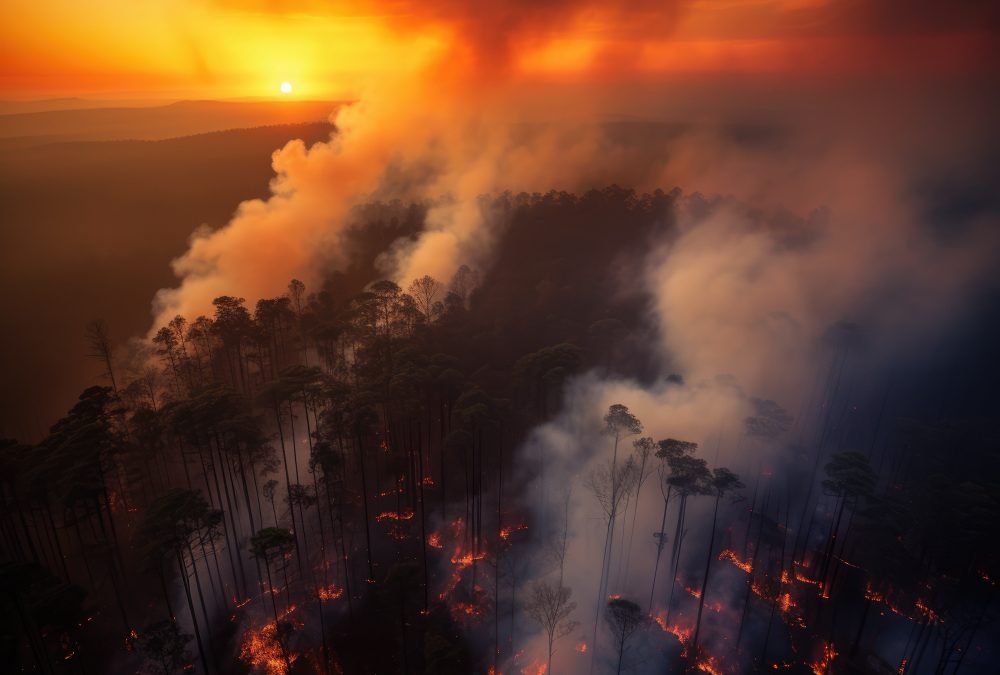
Fire safety is a critical concern, especially in areas prone to wildfires. Implementing preventive measures can significantly reduce the risk of fire incidents. In the United States, the management of wildfires has become increasingly important, particularly following notable incidents like the devastating jungle fire in California in 2023, which led to extensive damage and loss of life. This article will explore fire safety measures and reflect on the lessons learned from such incidents.
Understanding Fire Safety
-
Importance of Fire Safety: Fire safety is essential to protect lives, property, and the environment. Awareness and education can help prevent fires and ensure preparedness in case of an emergency.
-
Common Causes of Wildfires:
- Human activities, such as campfires, discarded cigarettes, and equipment use, are responsible for nearly 90% of wildfires.
- Natural causes, including lightning strikes, also contribute to wildfire outbreaks.
Preventive Measures
-
Awareness of Weather Conditions:
- Always check local weather forecasts and fire danger ratings before engaging in outdoor activities.
- Avoid any fire-related activities during high-risk conditions, such as hot, dry, and windy weather.
-
Safe Campfire Practices:
- Build campfires in designated areas, away from flammable materials.
- Keep a bucket of water or a fire extinguisher nearby and fully extinguish the fire before leaving the site.
-
Debris Burning Guidelines:
- If burning debris, ensure you have water available and never burn on windy days.
- Mop up ashes thoroughly to prevent holdover fires.
The 2023 California Jungle Fire Incident
-
Overview of the Incident:
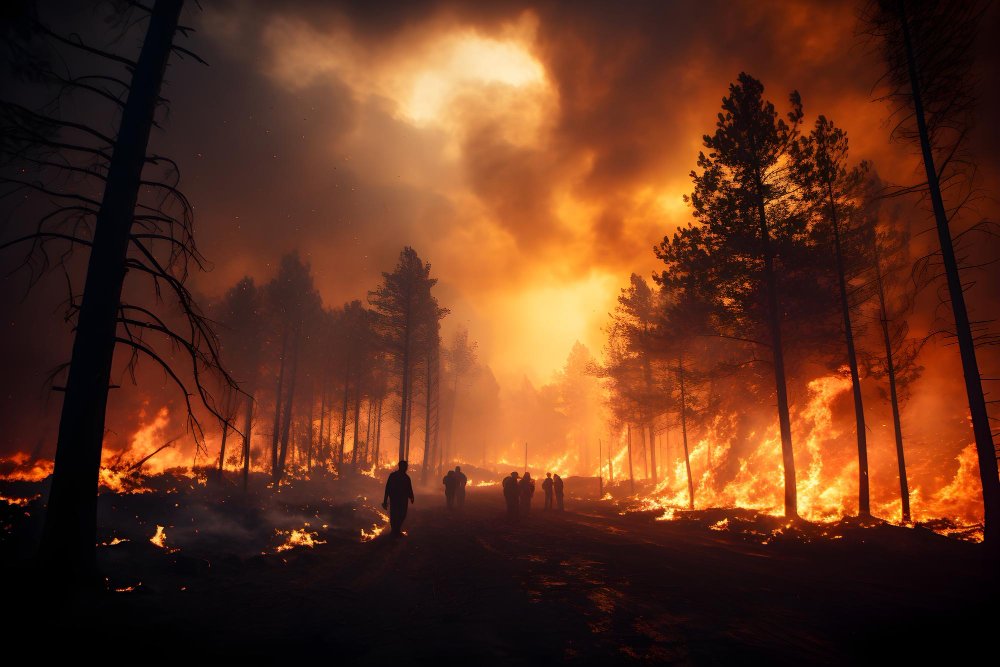
- In 2023, a significant jungle fire in California resulted in the destruction of thousands of acres of forest and numerous homes.
- The fire was exacerbated by dry conditions and high winds, highlighting the importance of adhering to fire safety protocols.
-
Response and Recovery:
- Firefighting efforts involved multiple agencies, showcasing the need for coordinated responses to wildfire threats.
- The incident prompted a review of fire management policies and practices, emphasizing the need for improved community education on fire safety.
Lessons Learned
-
Community Engagement:
- Engaging local communities in fire prevention efforts is crucial. Education programs can empower residents to take proactive measures in fire safety.
-
Policy Revisions:
- Following the incident, federal and state agencies revisited fire management policies to enhance preparedness and response strategies for future wildfires.
-
Restoration of Ecosystems:
- While wildfires can be devastating, they also play a natural role in many ecosystems. Understanding this balance is essential for effective land management.
Conclusion
Fire safety is a shared responsibility that requires awareness, education, and proactive measures. The lessons learned from incidents like the 2023 California jungle fire underscore the importance of community involvement and policy improvements in preventing future disasters. By implementing effective fire safety practices, we can protect our lives, property, and the environment from the devastating effects of wildfires.
