

The technological landscape is evolving at an unprecedented pace, driving changes that are redefining industries and reshaping how businesses and individuals interact with the digital world. As we navigate this dynamic era, emerging trends like no-code AI tools, quantum computing, edge computing, and green technology are becoming pivotal. These innovations are set to empower creators, streamline operations, and address global challenges. Let’s dive deep into these trends to explore their potential impact on the future.
1. No-Code AI Tools: Revolutionizing Development
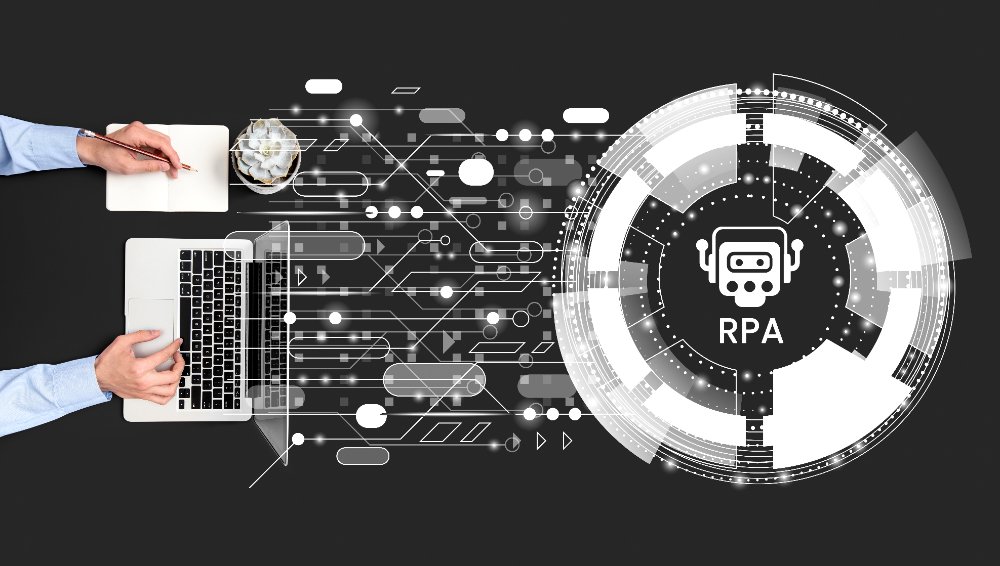
One of the most transformative advancements in recent years is the rise of no-code platforms, particularly in the realm of artificial intelligence (AI). These tools are making AI accessible to non-technical users, breaking the barriers of traditional programming and opening doors to innovation for everyone.
The Democratization of AI
No-code AI tools allow users to develop applications without writing a single line of code. By using intuitive interfaces like drag-and-drop features and prebuilt templates, individuals and businesses can now create AI-driven solutions that were once the exclusive domain of skilled programmers.
Why No-Code AI Matters
•Lowered Entry Barriers: Entrepreneurs, startups, and small businesses can now harness the power of AI without hiring expensive development teams.
•Time Efficiency: Rapid prototyping and deployment enable faster iteration and innovation cycles.
•Enhanced Productivity: Teams can focus on creativity and problem-solving rather than getting bogged down in technical complexities.
Real-World Applications
•Customer Support: AI chatbots created through no-code tools are helping businesses provide 24/7 customer support.
•Predictive Analysis: Tools like Google AutoML allow healthcare providers to predict patient outcomes or identify risk factors.
•Marketing Automation: Platforms like Bubble and Zapier help marketers design campaigns that adapt to user behavior in real time.
The Growing Ecosystem
The ecosystem of no-code platforms is expanding rapidly, with tools like OutSystems, Airtable, and AppGyver offering specialized solutions across industries. As more organizations adopt these tools, the era of innovation without coding has just begun.
2. Edge Computing: Real-Time Data Processing
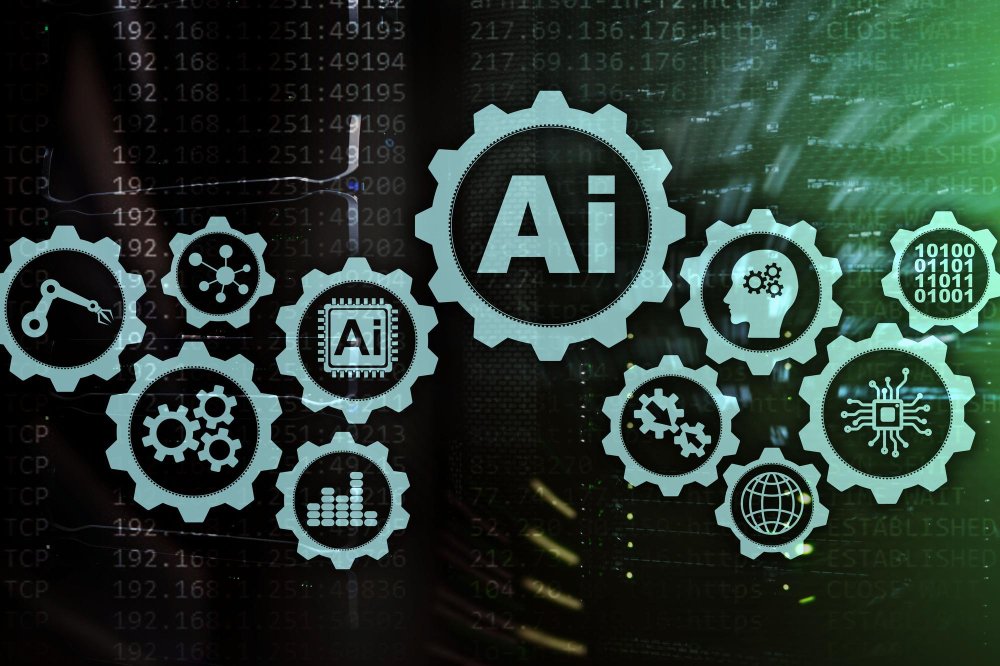
As the world becomes more connected, the demand for real-time data processing has skyrocketed. Edge computing addresses this need by bringing computation closer to the data source, reducing latency and enabling instant decision-making.
How Edge Computing Works
Unlike traditional cloud computing, which processes data in centralized data centers, edge computing processes data locally on devices or nearby servers. This ensures faster response times, greater efficiency, and reduced bandwidth consumption.
Key Advantages
•Real-Time Insights: Edge computing is critical for applications requiring split-second decisions, such as autonomous vehicles and industrial automation.
•Cost Savings: By processing data locally, businesses can reduce the need for expensive cloud storage and data transfer.
•Enhanced Security: Localized data processing minimizes exposure to cyber threats during transmission.
Applications Across Industries
•Smart Cities: Sensors and edge devices monitor traffic, air quality, and energy usage in real-time, improving urban management.
•Healthcare: Wearable devices powered by edge computing analyze patient data instantly, providing alerts for critical health conditions.
•Manufacturing: Edge-powered IoT devices optimize production lines by detecting and correcting inefficiencies.
Future Outlook
As the number of connected devices grows, edge computing will become a cornerstone of the Internet of Things (IoT). With advancements in hardware and AI integration, edge solutions are poised to revolutionize industries worldwide.
3. Quantum Computing: Unlocking New Possibilities
Quantum computing, often hailed as the next frontier in technology, holds the potential to solve problems that are beyond the reach of classical computers.
What Sets Quantum Computing Apart?
Unlike traditional computers that use binary bits (0s and 1s), quantum computers use quantum bits or qubits, which can represent multiple states simultaneously. This property, known as superposition, allows quantum computers to process vast amounts of information at incredible speeds.
Breakthrough Capabilities
•Cryptography: Quantum computing can break traditional encryption, leading to the development of quantum-secure cryptographic methods.
•Drug Discovery: Researchers can simulate molecular interactions at the quantum level, accelerating the discovery of new medicines.
•Climate Modeling: Quantum systems can analyze complex weather patterns to improve climate predictions and disaster preparedness.
Global Investments and Developments
Leading companies like IBM, Google, and Microsoft are spearheading quantum research, while governments worldwide are funding quantum initiatives to stay competitive. As quantum computing matures, it will reshape industries ranging from finance to energy.
4. Green Technology: Building a Sustainable Future
The urgency of addressing climate change is driving a surge in green technology innovations. These technologies aim to reduce environmental impact while fostering economic growth.
Advancements in Renewable Energy
•Solar and Wind: Modern solar panels and wind turbines are more efficient and cost-effective than ever before.
•Energy Storage: Advanced batteries are enabling the widespread adoption of renewable energy by addressing storage challenges.
•Hydrogen Power: Green hydrogen is emerging as a clean alternative to fossil fuels for heavy industries and transportation.
Circular Economy Initiatives
•Recycling Tech: Companies are leveraging AI and robotics to sort and process waste more efficiently.
•Product Longevity: Manufacturers are designing products with modular components to extend their lifecycle and reduce e-waste.
Smart Grids and AI Integration
AI-powered smart grids optimize energy distribution, reduce waste, and ensure a balanced energy supply. By integrating renewable sources and managing demand dynamically, smart grids are paving the way for a sustainable energy future.

5. AI-Driven Personalization: Enhancing User Experiences
Artificial intelligence continues to transform how businesses interact with customers, delivering hyper-personalized experiences that build loyalty and drive growth.
Personalization in Action
•E-Commerce: Retailers use AI to recommend products based on browsing history and purchasing behavior.
•Streaming Services: Platforms like Netflix and Spotify curate content tailored to individual preferences.
•Education: Adaptive learning systems provide students with customized lessons and feedback, improving learning outcomes.
The Future of Personalization
As AI becomes more sophisticated, personalization will extend beyond digital experiences to include physical products and services. For instance, 3D printing could enable on-demand production of custom items, while AI-driven analytics could help businesses anticipate customer needs with unprecedented accuracy.
Conclusion
The future of technology is brimming with possibilities, fueled by advancements like no-code AI tools, edge computing, quantum computing, and green tech. These trends are not only transforming industries but also empowering individuals to innovate and create solutions for a better tomorrow.
As businesses and individuals embrace these technologies, they must stay adaptable, continuously upskilling to navigate the challenges and opportunities of this dynamic landscape. By leveraging these advancements, we can build a future where technology serves as a force for progress, sustainability, and inclusivity.
In this exciting era, the only limit is our imagination—and with tools like no-code AI at our fingertips, even that boundary is fading.
