

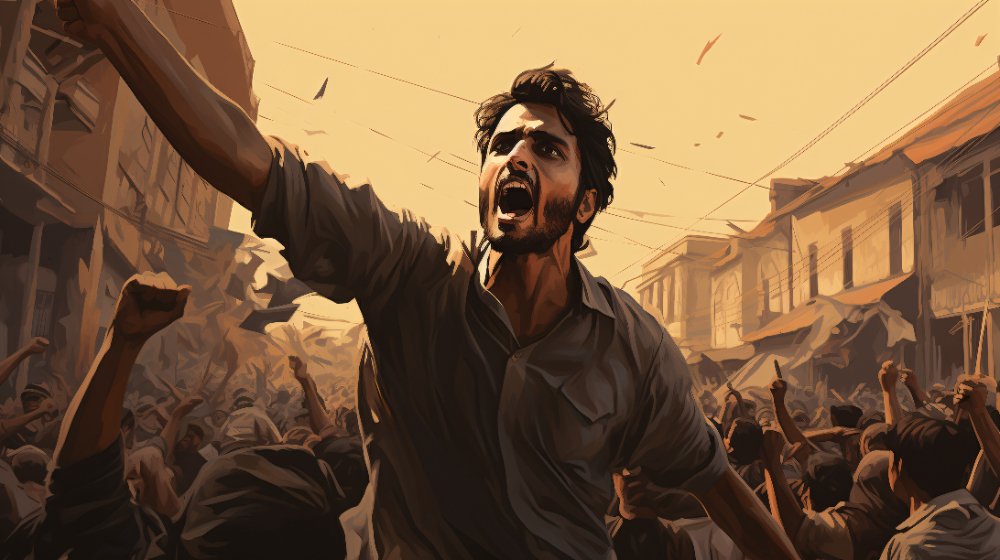
In discussions about gender equality and human rights, much of the focus tends to be on the rights and struggles of women, and rightly so, given the historical and systemic inequalities they have faced. However, an often-overlooked perspective in these conversations is the issue of men’s rights. While men traditionally hold certain privileges in patriarchal societies, they too face unique challenges that deserve attention. In India, where social dynamics are deeply rooted in tradition, the discourse on men’s rights is gradually gaining momentum.
Understanding Men’s Rights in India
Men’s rights aim to address the specific issues and challenges faced by men, focusing on equality, justice, and fair treatment in areas where they are disadvantaged or unfairly stereotyped. Key concerns include:
1.False Allegations and Legal Misuse:
Laws such as Section 498A of the Indian Penal Code, intended to protect women from dowry harassment, are sometimes misused, leading to false allegations against men and their families.
Similarly, cases of false accusations in sexual harassment or domestic violence can tarnish reputations, disrupt careers, and lead to emotional distress.
2.Divorce and Child Custody Battles:
In family disputes, men often face biases in divorce and child custody cases. Indian courts traditionally favor mothers in granting custody, leaving fathers with limited access to their children.
The financial burden of alimony and maintenance can also be disproportionately placed on men, irrespective of their actual ability to pay.
3.Workplace Harassment:
While workplace harassment policies primarily focus on protecting women, men can also be victims. However, societal stigma and lack of formal mechanisms often prevent them from coming forward.
4.Mental Health and Societal Expectations:
Societal norms place significant pressure on men to be providers, protectors, and emotionally stoic. This can lead to stress, depression, and mental health issues that often go unacknowledged.
Suicide rates among men in India are alarmingly high, with studies indicating that societal pressures and lack of emotional support are contributing factors.
5.Lack of Support Systems:
Unlike women-centric organizations, there are very few support groups or legal aid centers dedicated to addressing men’s issues.

Challenges in Advocating for Men’s Rights
1.Stigma and Stereotypes:
Men advocating for their rights are often ridiculed or dismissed as being anti-women, making it difficult to address genuine concerns.
The stereotype that men cannot be victims perpetuates silence around their struggles.
2.Legal Imbalances:
•Many laws are gender-specific, offering protection to women but lacking equivalent provisions for men, creating a perception of inequality in the legal framework.
3.Lack of Awareness:
Men themselves are often unaware of their rights and the resources available to them, leaving many issues unaddressed.
The Path Forward: Ensuring Gender-Neutral Equality
1.Legal Reforms:
Introduce gender-neutral laws for domestic violence, workplace harassment, and sexual abuse.
Establish stricter mechanisms to prevent misuse of laws like Section 498A, ensuring fair investigations before arrests.
2.Support Systems:
Create helplines, counseling services, and legal aid centers specifically for men.
Encourage the formation of men’s rights organizations to provide a platform for raising awareness and addressing grievances.
3.Awareness and Education:
Promote public awareness campaigns highlighting the challenges faced by men and the importance of gender-neutral approaches.
Integrate discussions on men’s mental health into broader conversations about well-being.
4.Addressing Societal Expectations:
Encourage a shift away from traditional gender roles, allowing men to express vulnerability and seek support without fear of judgment.
Recognize and celebrate the contributions of men as fathers, caregivers, and partners, challenging stereotypes that limit their roles.
Conclusion
Men’s rights are not about undermining women’s rights or diminishing their struggles; rather, they are about recognizing that gender equality means fairness and justice for all. By addressing the unique challenges faced by men, India can move closer to a truly inclusive society where every individual, regardless of gender, is treated with dignity and respect.
The conversation around men’s rights is still in its infancy in India, but it is a crucial step toward a more balanced and equitable future. As we advocate for the rights of one gender, let us not overlook the struggles of the other. Gender equality is, after all, a two-way street.
