

Winter brings a chill to the air, shorter days, and often, a desire to stay cozy indoors. However, it’s also the perfect season to embrace yoga, as the practice helps to keep your body warm, boost immunity, and balance your energy levels. Adapting your yoga routine to the colder months can help you stay healthy and vibrant throughout the season. Here’s how to make the most of your yoga practice during winter.
1. Create a Warm and Inviting Space
Practicing yoga in a warm, comfortable environment is essential during winter.
•Set the Mood: Use a heater or space warmer to ensure your yoga space is cozy.
•Soft Lighting: Dim the lights or light candles for a soothing ambiance.
•Add Comfort: Keep a blanket or shawl nearby for use during relaxation or meditation.
2. Start with Gentle Warm-ups
Cold muscles are prone to stiffness, so it’s crucial to begin your session with gentle stretches and movements.
•Dynamic Poses: Incorporate Cat-Cow, Sunbird Pose, or gentle spinal twists to improve circulation.
•Warm-Up Flow: Practice a few rounds of Surya Namaskar (Sun Salutations) to generate heat and awaken the body.
3. Focus on Heat-Generating Poses
Certain yoga poses are excellent for generating internal heat and keeping you warm.
•Recommended Asanas:
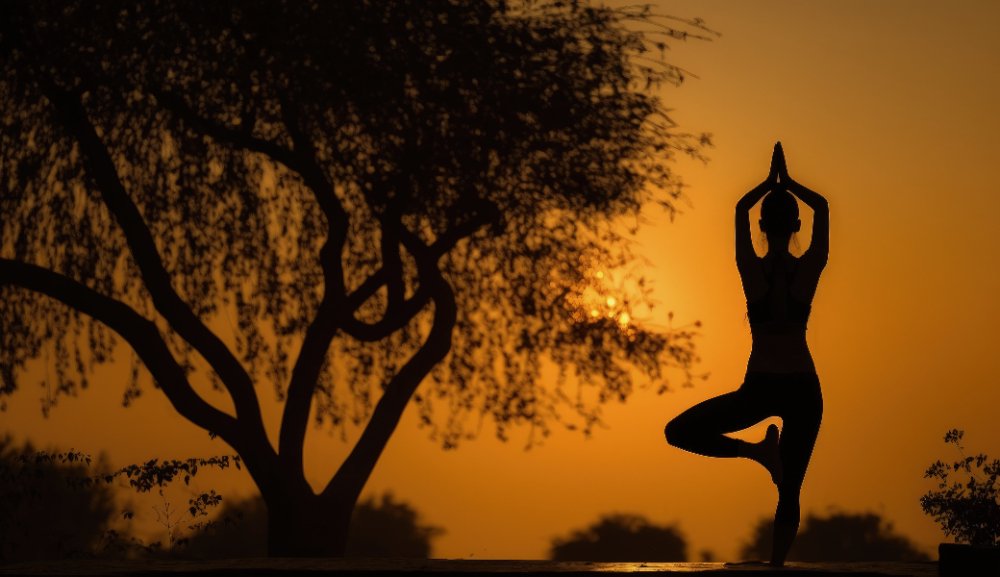
•Utkatasana (Chair Pose)
•Virabhadrasana (Warrior Poses)
•Plank Pose
•Navasana (Boat Pose)
•Downward-Facing Dog
•Pro Tip: Hold each pose for a few extra breaths to build strength and warmth.
4. Embrace Twists and Forward Bends
Twisting poses and forward bends help stimulate digestion and detoxification, which can slow down in winter.
•Try These Poses:
•Parivrtta Trikonasana (Revolved Triangle Pose)
•Ardha Matsyendrasana (Half Lord of the Fishes Pose)
•Paschimottanasana (Seated Forward Bend)
5. Practice Pranayama (Breathing Exercises)
Breathing techniques are particularly beneficial in winter as they help improve circulation, boost energy, and keep the respiratory system healthy.
•Best Winter Breathing Practices:
•Bhastrika (Bellows Breath): To generate heat and energize the body.
•Kapalabhati (Skull Shining Breath): To clear sinuses and build inner warmth.
•Nadi Shodhana (Alternate Nostril Breathing): To calm the mind and balance energy.
6. Use Props for Comfort
Props can enhance your yoga practice during the colder months by offering support and extra warmth.
•Bolsters and Blocks: Use these to modify poses or provide added stability.
•Blankets: Place one under your knees or hips for extra cushioning.
7. End with Restorative Poses
Winter is the season for introspection and slowing down, making restorative poses essential.
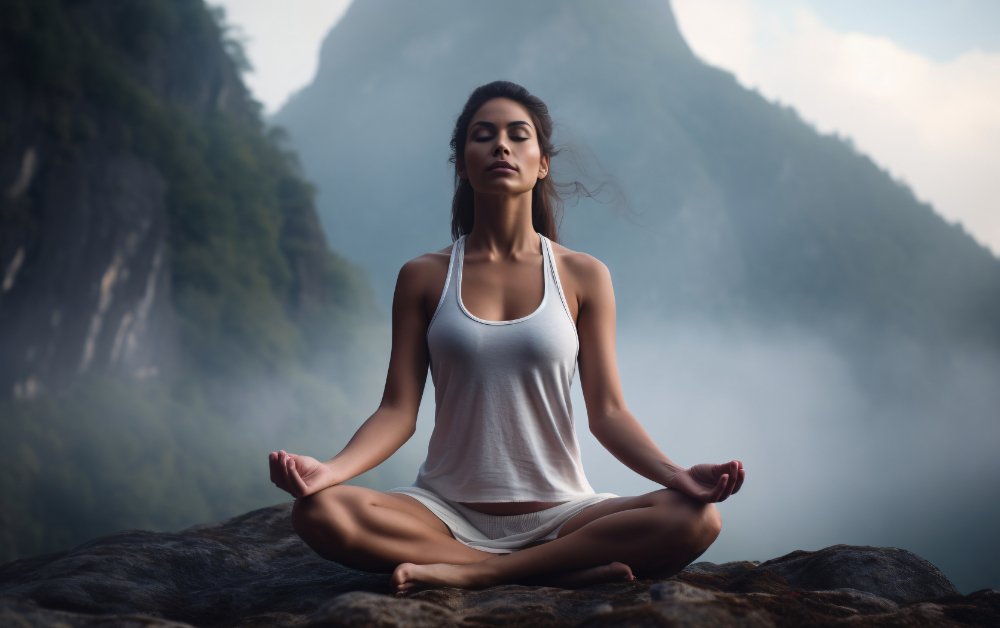
•Savasana (Corpse Pose): Cover yourself with a blanket to stay warm during relaxation.
•Legs-Up-the-Wall Pose (Viparita Karani): This pose soothes tired legs and promotes relaxation.
•Child’s Pose (Balasana): A grounding pose that encourages mindfulness and rest.
8. Keep a Consistent Schedule
Consistency is key to reaping the benefits of yoga in winter.
•Morning Practice: Practicing in the morning helps kickstart your metabolism and energizes your day.
•Evening Practice: A gentle session in the evening can help you unwind and sleep better.
9. Stay Hydrated and Nourished
Winter often reduces thirst, but hydration is vital for flexibility and overall health.
•Drink warm water or herbal teas before and after your practice.
•Eat warming foods like soups, stews, and seasonal vegetables to nourish your body.
10. Dress in Layers
Wear comfortable, layered clothing that you can adjust as your body warms up.
•Opt for breathable, moisture-wicking fabrics.
•Use grip socks or gloves if the floor or mat feels cold.
Conclusion
Yoga in winter is not just about staying physically active—it’s a holistic way to keep your body warm, your mind calm, and your soul grounded. By creating a warm space, focusing on heat-generating poses, and integrating breathing techniques, you can adapt your yoga practice to the season’s needs. Embrace the coziness of winter while keeping your body energized and your mind at peace.
Stay warm, stay mindful, and enjoy your yoga journey!
